
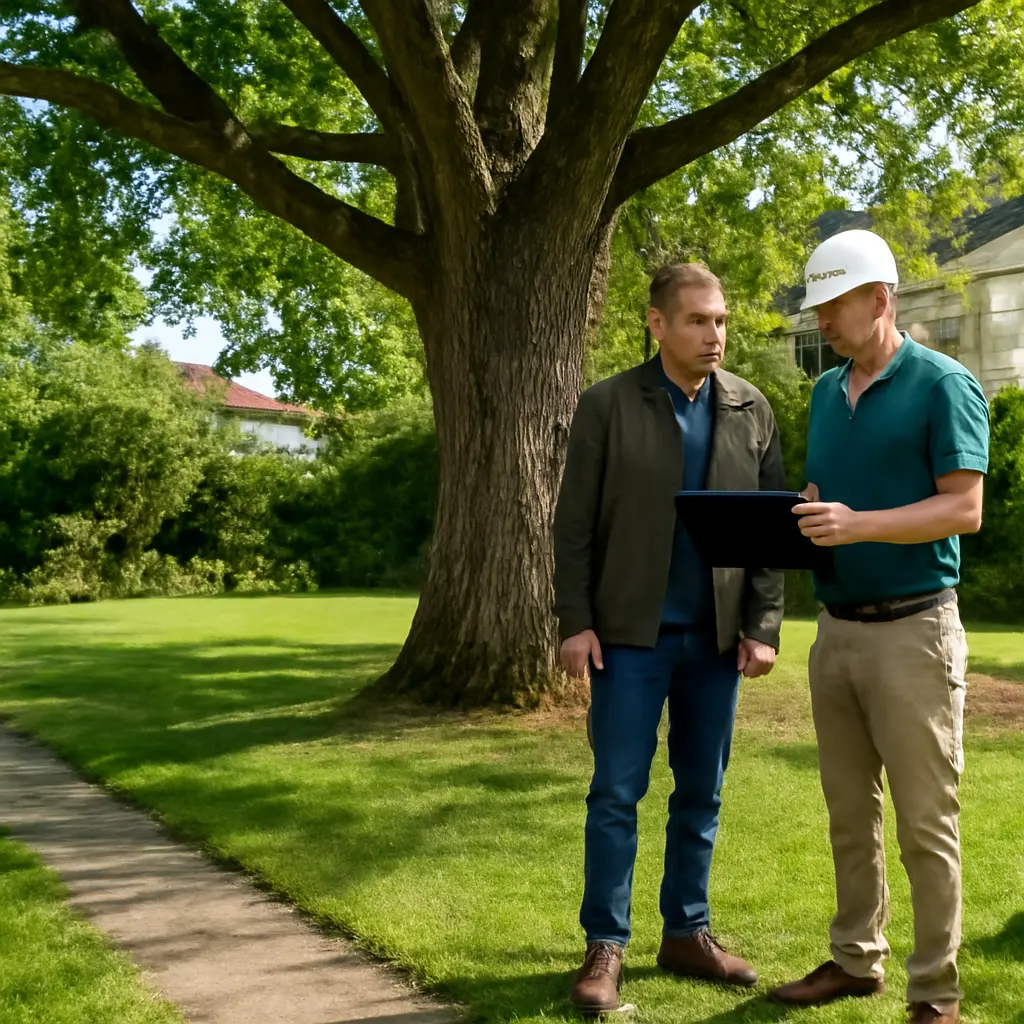
Removal planning is the process of deciding how to extract unwanted material—such as a damaged tree, an invasive plant, a pest infestation, or a hazardous building component—while managing safety, cost, and environmental effects. A consultation can change that plan by revealing hidden hazards, legal restrictions, access limits, or a less destructive treatment option. For example, the U.S. Environmental Protection Agency estimates that asbestos may be present in many older buildings, making inspection and appropriate controls important before renovation or demolition. The findings below explain how assessments reshape removal methods, clarify permits and risks, and help property owners compare complete proposals rather than price alone.
Consultation findings that change a removal plan
A removal consultation is an expert review of the target, its surroundings, and the proposed work, intended to establish what should be removed, how, and under what safeguards. The precise scope depends on the subject: a tree assessment, pest inspection, hazardous-material survey, and building demolition review are not interchangeable. What they share is a decision process that combines evidence about condition and risk with practical and regulatory constraints.
The consultation matters because an early assumption can be wrong. A tree that appears ready for felling may be protected or near utility lines; a renovation surface that looks ordinary may conceal asbestos-containing material; a pest problem may require exclusion and sanitation as well as treatment. A qualified specialist should explain what was inspected, what remains uncertain, and which findings would change the recommendation.
Condition and extent of the problem
Condition assessment identifies the target’s state and how far the issue extends. For a tree, an arborist may examine decay, structural defects, root stability, and nearby targets. For pests, an inspector may look for signs of activity, entry points, and moisture conditions. For building materials, a survey may identify suspect materials and determine whether sampling or laboratory analysis is needed.
These findings can change the scope from a simple removal to staged work, targeted treatment, containment, or monitoring. The U.S. Environmental Protection Agency advises that asbestos-containing material that is intact and undisturbed may not present the same risk as damaged or disturbed material; renovation plans therefore need to account for the material’s condition and likelihood of disturbance. A visual guess is not a substitute for appropriate professional assessment.
Hazards, access, and nearby assets
A site-risk assessment considers hazards to workers, occupants, neighbors, and property. Findings may include overhead or underground utilities, unstable structures, confined spaces, traffic exposure, steep terrain, fragile roofs, or limited equipment access. These conditions can require a different removal sequence, specialist equipment, temporary barriers, utility coordination, or a larger exclusion zone.
The Occupational Safety and Health Administration’s construction standards address recognized hazards such as falls, excavation risks, and exposure to hazardous substances. In practice, a consultation should translate relevant risks into clear controls rather than merely list them. Ask which hazards were observed, who is responsible for controlling them, and whether the estimate includes those measures.
Permits, protected status, and disposal rules
A compliance review checks whether the work is subject to permits, preservation rules, notification requirements, or special waste handling. Local rules can apply to protected trees, historic properties, demolition, wildlife, and disposal of regulated materials. Requirements vary by jurisdiction, so a contractor’s general experience is not proof that a specific site is cleared to proceed.
For asbestos work, the EPA and state or local authorities may impose requirements that depend on the building, material, and type of project. For waste, the Resource Conservation and Recovery Act establishes a federal framework for managing hazardous and nonhazardous waste, while states may administer or add requirements. The consultation should identify who verifies permits and notifications, how debris will be classified, and where it will go.
Removal methods and scope change with consultation findings
Once the condition, hazards, and rules are understood, the specialist can compare removal approaches. “Removal” may mean complete extraction, selective dismantling, controlled abatement, mechanical removal, or a treatment-and-monitoring plan. The right method depends on the target and site—not on a single generic technique.
Full removal versus targeted or staged work
Full removal eliminates the identified target, while targeted work addresses only the affected portion. Staged work divides the job into controlled phases to reduce exposure, protect surrounding structures, or maintain access. A consultation may recommend a limited intervention if the material or organism can safely remain undisturbed, or a more extensive scope if evidence shows hidden spread or structural instability.
The recommendation should state what is included and excluded. For example, a pest proposal might cover treatment but exclude repairing entry points; a tree proposal might include felling but not stump grinding; a hazardous-material proposal might exclude reconstruction after abatement. Written boundaries reduce misunderstandings and help compare bids accurately.
Containment, protection, and specialist controls
Containment limits the movement of dust, debris, pests, or contaminants beyond the work area. Depending on the assessment, controls may include barriers, localized ventilation, wet methods, protective equipment, utility isolation, or a designated clean route for waste. The control plan should be proportionate to the hazard and consistent with applicable rules.
This is especially important where disturbance can create exposure. The EPA recommends using trained and accredited professionals for asbestos-related work where required, and warns against improper handling that can release fibers. A consultation finding that changes the material classification or condition may therefore change not only the method but also who is qualified to perform the work.
Alternatives to immediate removal
A sound consultation also considers whether removal is necessary now. Depending on the situation, alternatives may include repair, pruning, encapsulation, exclusion, monitoring, or leaving stable material undisturbed. These are not universal substitutes: the specialist should explain the evidence, expected performance, maintenance needs, and conditions that would trigger a change in plan.
For instance, the EPA’s asbestos guidance distinguishes intact material from material likely to be damaged or disturbed. Likewise, integrated pest management emphasizes combining prevention, monitoring, and appropriate controls rather than relying automatically on a single intervention. The useful question is not simply “Can this be removed?” but “Which option manages the documented risk most effectively over time?”
Cost, schedule, and contractor proposals after consultation
Consultation findings influence the actual work package, which in turn affects cost and timing. A low initial quote may omit permits, testing, containment, access equipment, disposal, restoration, or follow-up. A higher proposal may include those items, but the owner should verify that each is necessary and clearly described.
Compare scope, not just the headline price
A comparable estimate identifies the target and quantity, method, preparation, safety controls, disposal route, restoration, schedule, and exclusions. It also explains how unforeseen conditions will be handled, including who must approve extra work and how charges are calculated. For regulated work, request evidence of relevant licenses, training, insurance, and required notifications.
The Federal Trade Commission advises consumers to obtain written estimates and understand contract terms before hiring home-improvement contractors. Although the precise legal protections vary, the practical lesson is broad: a written, itemized scope makes it easier to identify missing safeguards and compare competing plans fairly.
Contingencies and uncertainty
Some conditions cannot be confirmed until work begins, such as concealed damage or hidden material layers. A responsible plan distinguishes known facts from assumptions and sets a stop-work or change-order process if new hazards appear. Ask whether additional testing is recommended before work, what triggers a pause, and how the site will be secured while a decision is made.
Clear contingencies prevent pressure to continue under unsafe or unauthorized conditions. They also help owners budget realistically: a quote should describe likely allowances or alternate prices where uncertainty is material, rather than promise a fixed outcome without explaining its assumptions.
A practical checklist for using consultation findings
Before approving removal, use the consultation to confirm the decision trail—from evidence to method to completion. Keep the report, photographs, test results, permits, and contract together, and ask for plain-language explanations of technical terms.
- What exactly was inspected, and what areas or conditions were not accessible?
- What evidence supports the diagnosis and recommended scope?
- Which hazards, permits, protected features, or disposal requirements apply?
- What alternatives were considered, and why were they accepted or rejected?
- What protections, equipment, and cleanup steps are included?
- Who obtains approvals and coordinates utilities, occupants, or neighbors?
- How will unexpected conditions, added costs, and stop-work decisions be handled?
- What documentation or independent verification will be provided after completion?
For a complex or high-risk project, a second opinion from an appropriately qualified, independent professional can clarify whether the proposed scope is proportionate. Independence is particularly useful when the person recommending work also sells and performs it.
Conclusion: let evidence—not assumptions—set the removal plan
Consultation findings can change the removal plan by revealing the true condition and extent of a problem, identifying hazards and legal requirements, and showing whether full removal, staged work, containment, or an alternative is appropriate. They also determine what a complete estimate should include: controls, permits, disposal, contingencies, and verification.
Before authorizing work, ask for a written explanation connecting each important finding to the recommended method. Confirm credentials and local requirements, compare itemized scopes, and pause for further review if new hazards appear. These steps help protect people and property while making the final decision more transparent and defensible.
Sources: U.S. Environmental Protection Agency, Asbestos and Its Health Effects, https://www.epa.gov/asbestos/asbestos-and-its-health-effects; U.S. Environmental Protection Agency, Asbestos: Protect Your Family, https://www.epa.gov/asbestos/protect-your-family; Occupational Safety and Health Administration, Construction Industry, https://www.osha.gov/construction; U.S. Environmental Protection Agency, Resource Conservation and Recovery Act (RCRA) Overview, https://www.epa.gov/rcra/resource-conservation-and-recovery-act-rcra-overview; U.S. Environmental Protection Agency, Integrated Pest Management (IPM) Principles, https://www.epa.gov/safepestcontrol/integrated-pest-management-ipm-principles; Federal Trade Commission, Hiring a Contractor, https://consumer.ftc.gov/articles/hiring-contractor